Anxiety, rage and 3am waking that appear in your forties with no obvious trigger are frequently a hormonal transition rather than a psychological one. Here is what is actually happening and what helps.
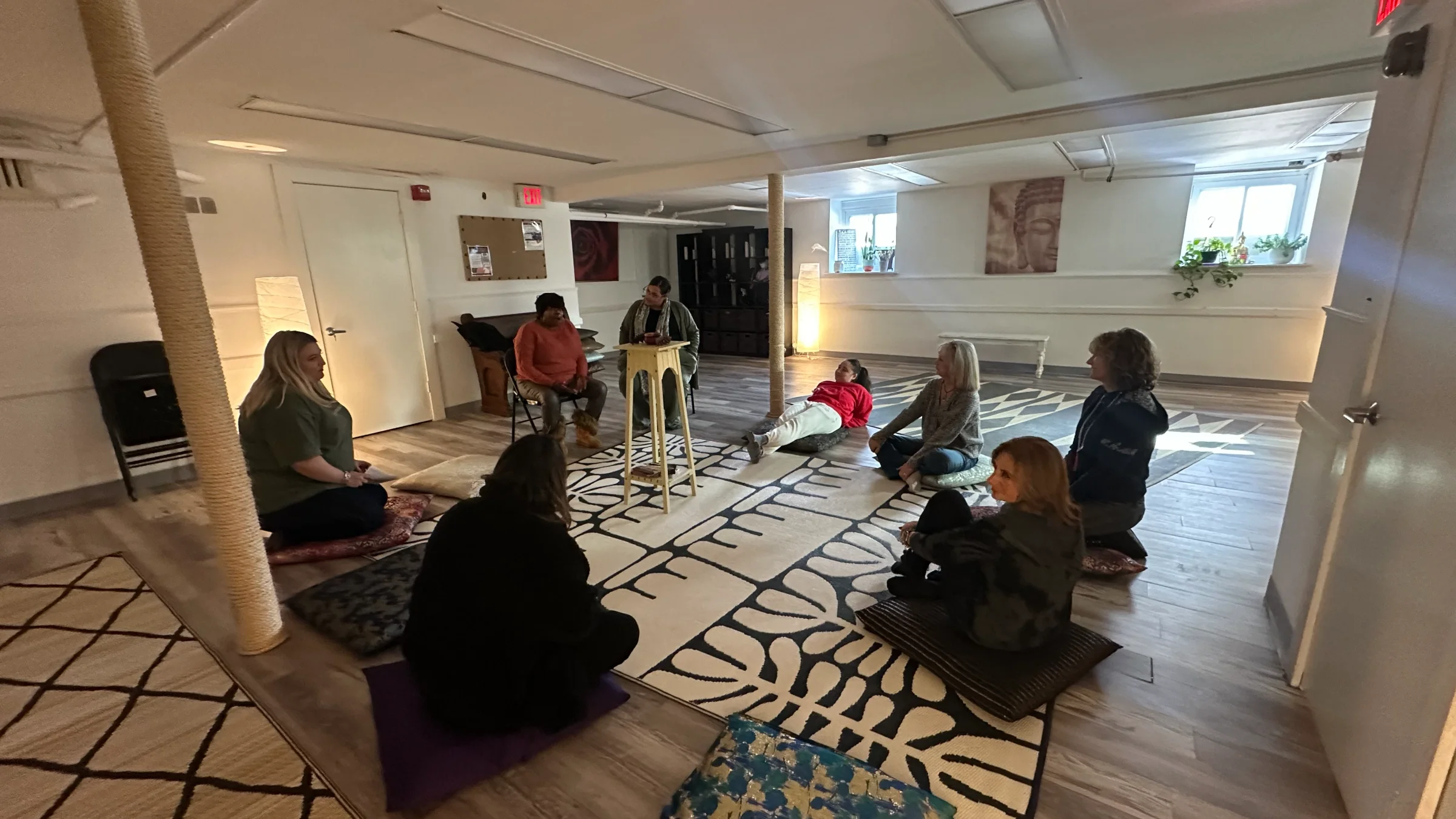
Facilitated circles sit somewhere between therapy and friendship, and the description on most websites tells you almost nothing. Here is what the hour actually looks like.
September restarts the whole household nervous system at once. Here is what the transition actually does, why parents feel it as much as children, and what helps on both sides.
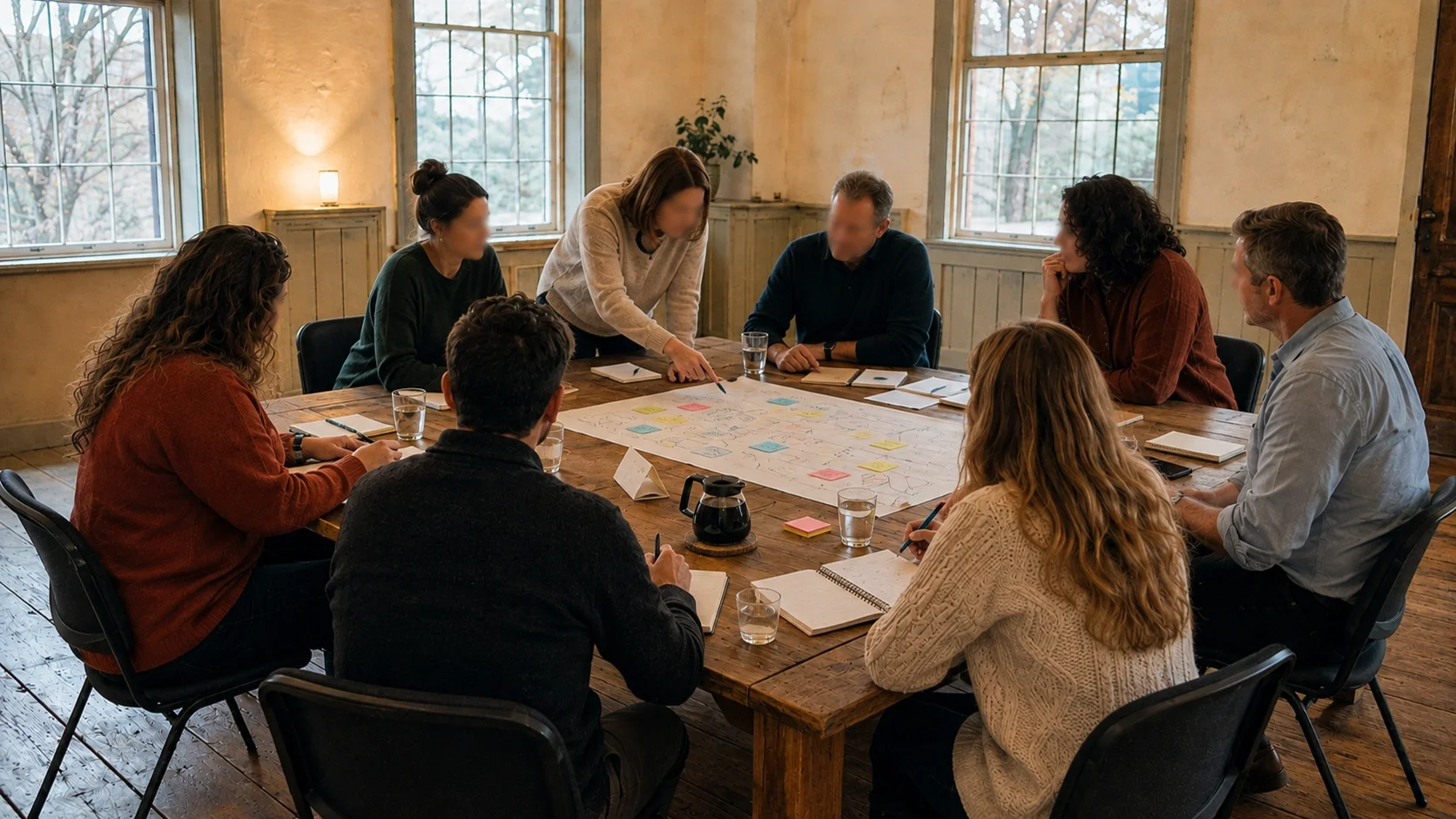
Most corporate wellness is bought by people who will not use it, for people who were not asked. Here is what actually gets taken up by small teams, and how to run it without a benefits department.
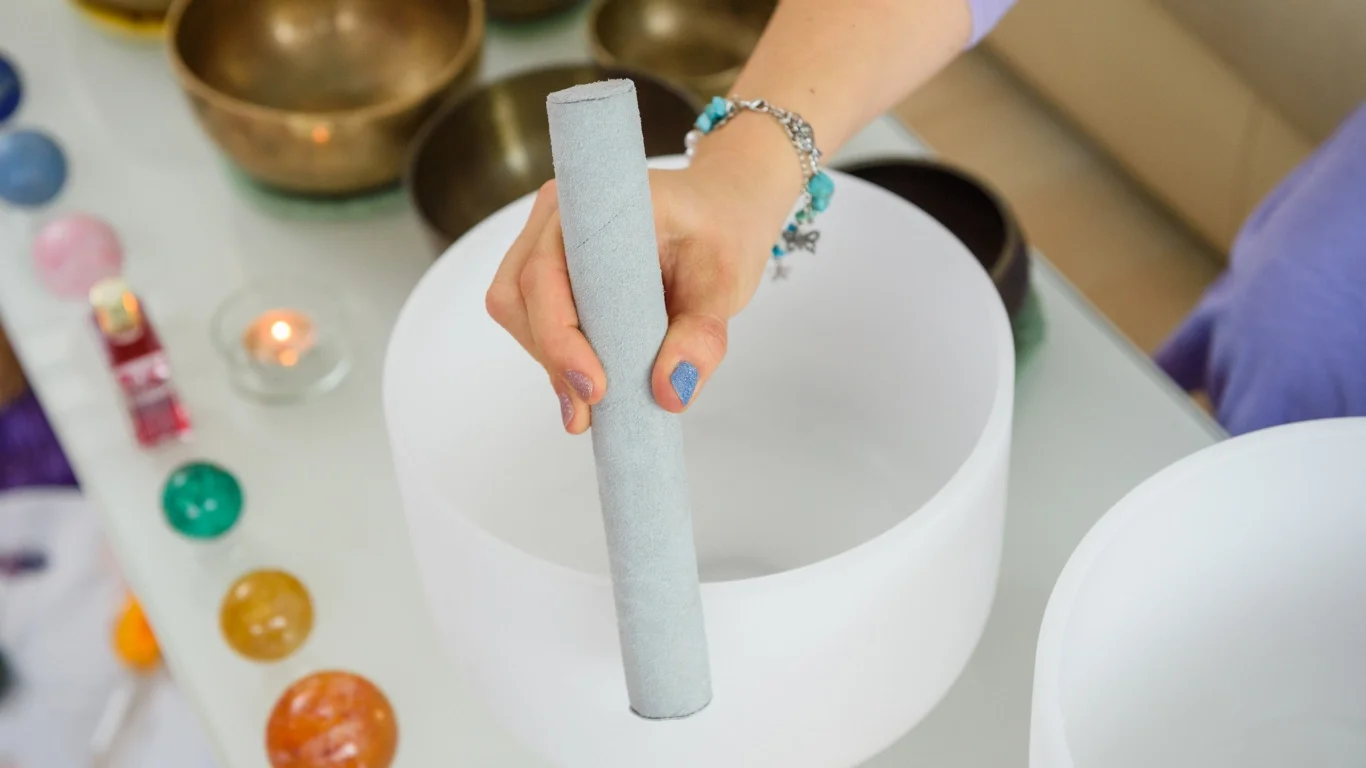
Same bowls, same practitioner, different experience. Here is what changes between a group sound bath and a private session, and which one is the better first booking for you.
Addiction is better understood by asking what the substance is doing for someone than by asking what is wrong with them. Here is what that view changes about how recovery is approached.
Weight-neutral care means the goal is your relationship with food and your body, not a number. Here is what the approach involves, who is on the team, and how to start.
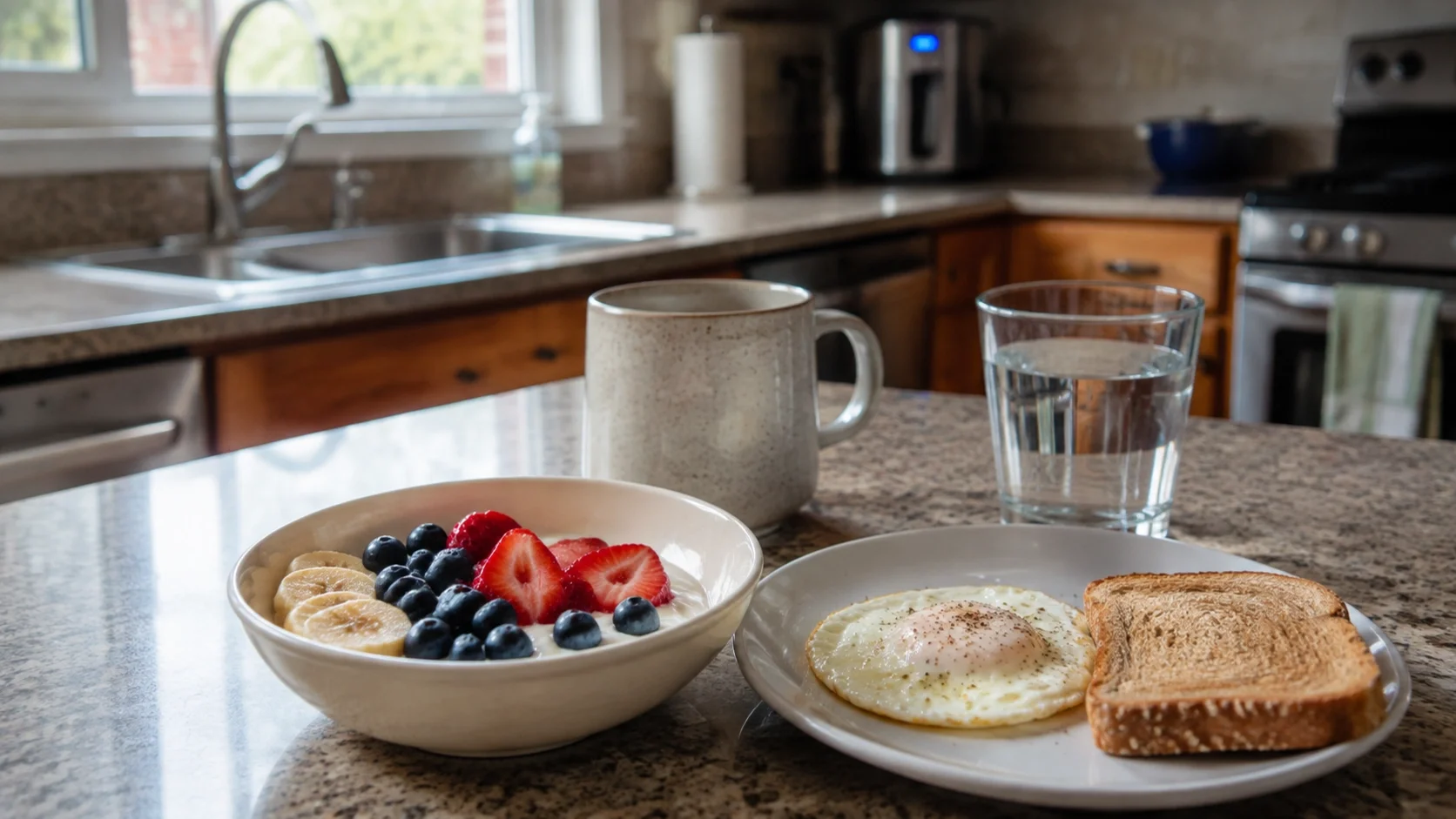
Blood sugar crashes release adrenaline that is physically indistinguishable from panic, and many people have several a day without noticing. Here is what food can and cannot do for how regulated you feel.
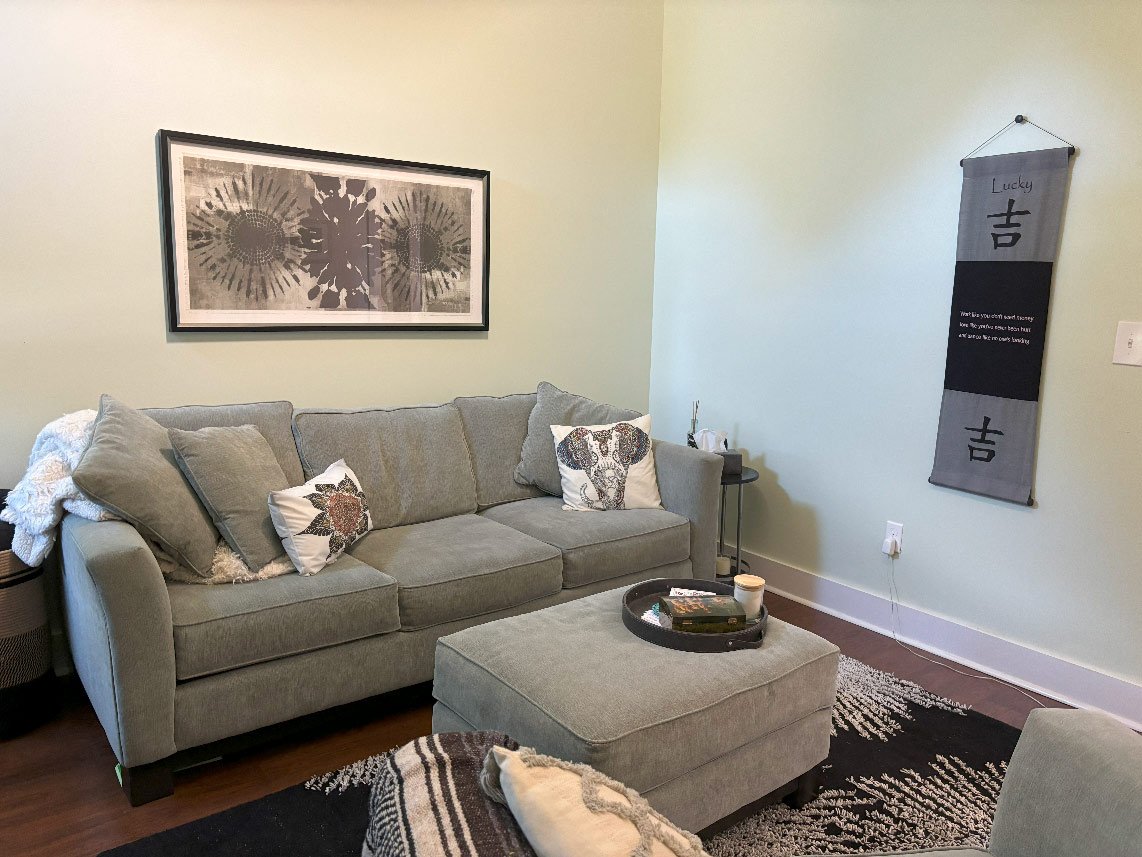
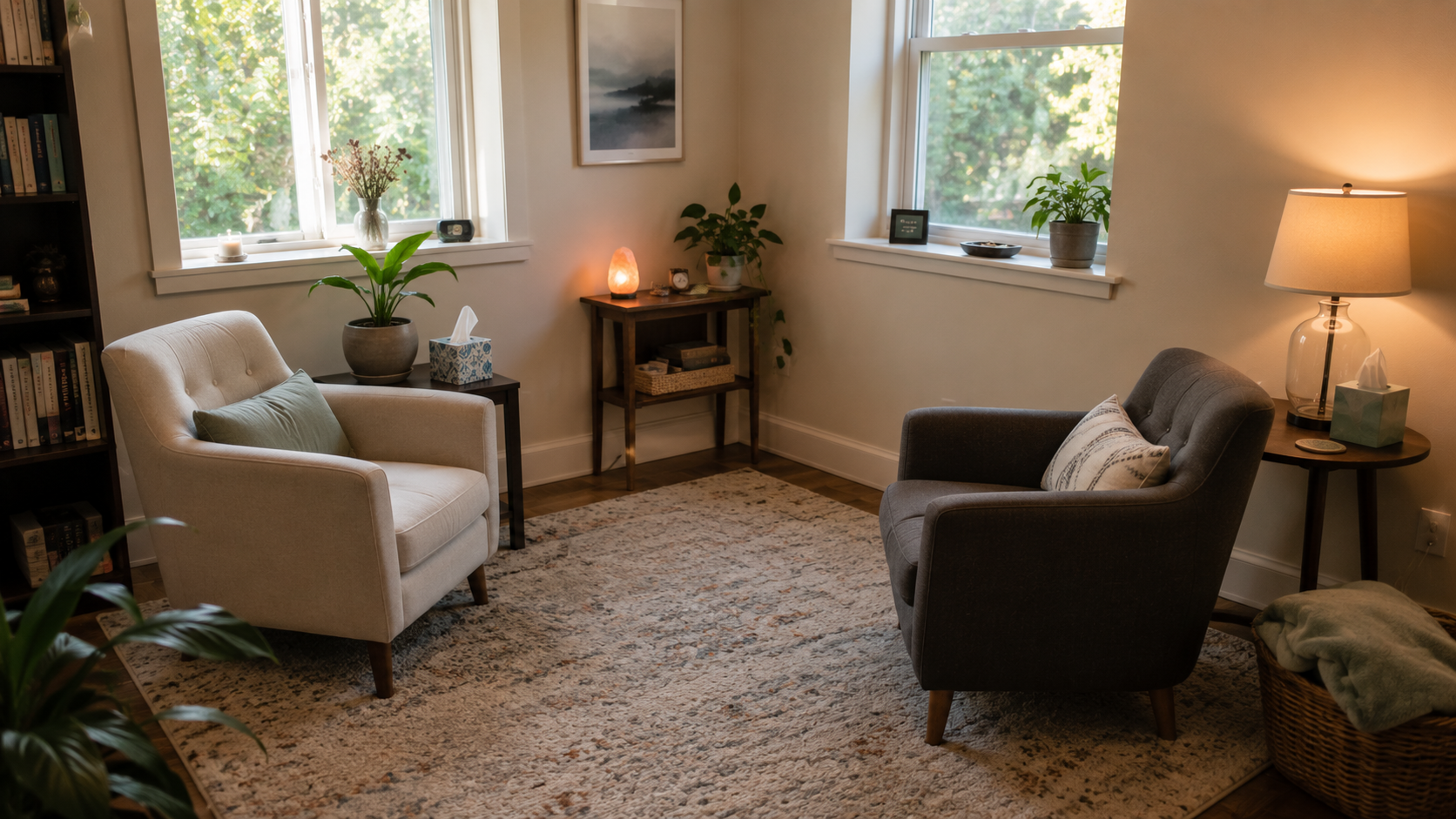
A number of people who do this work have a history that makes unfamiliar rooms genuinely difficult, and being asked to be vulnerable in a space you have not seen is a real barrier. Removing it costs us nothing and occasionally makes the difference between someone starting and not starting.
The therapeutic claim is that Self is what heals parts — not the therapist, and not technique. The therapist's job is to help you access enough Self that your parts can be met by you, which is what they have been waiting for.
 Nervous System & Whole-Person Care