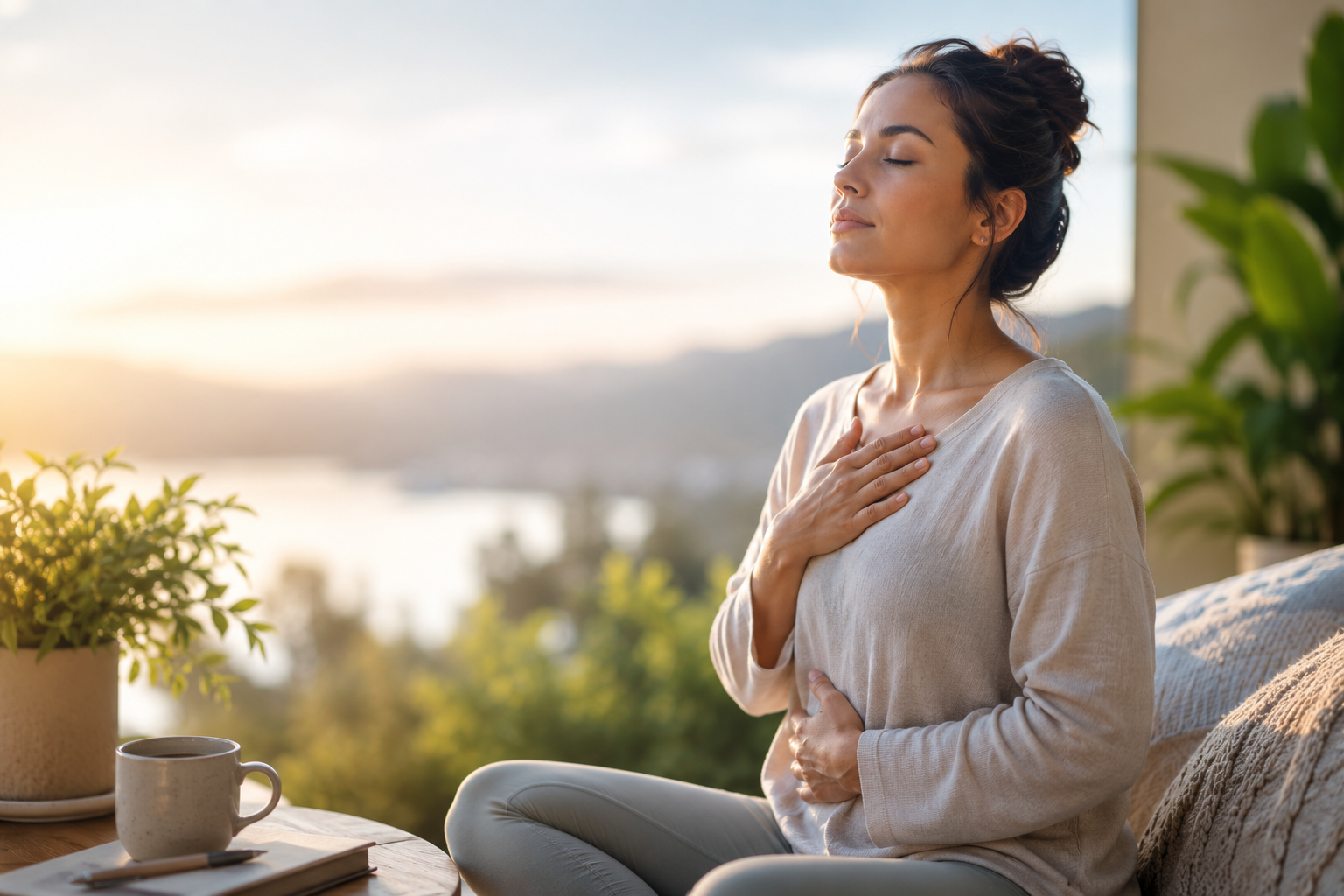
Of all the tools available for managing anxiety, exactly one is always with you, free, requires no equipment, works in under five minutes, and is supported by a growing body of clinical research.
It's also the one most people overlook entirely.
Your breath isn't just oxygen exchange. It's a direct, two-way line into the part of the nervous system that decides whether you're safe — and most of us, without realizing it, have been signaling "not safe" for years.
This is a practical guide to what breathwork for anxiety actually is, why it works at a physiological level, and how to begin a sustainable daily practice. Written by the team at the Center for Mind Body Balance in Saddle River, NJ.
Why Your Breath Has So Much Power Over Anxiety
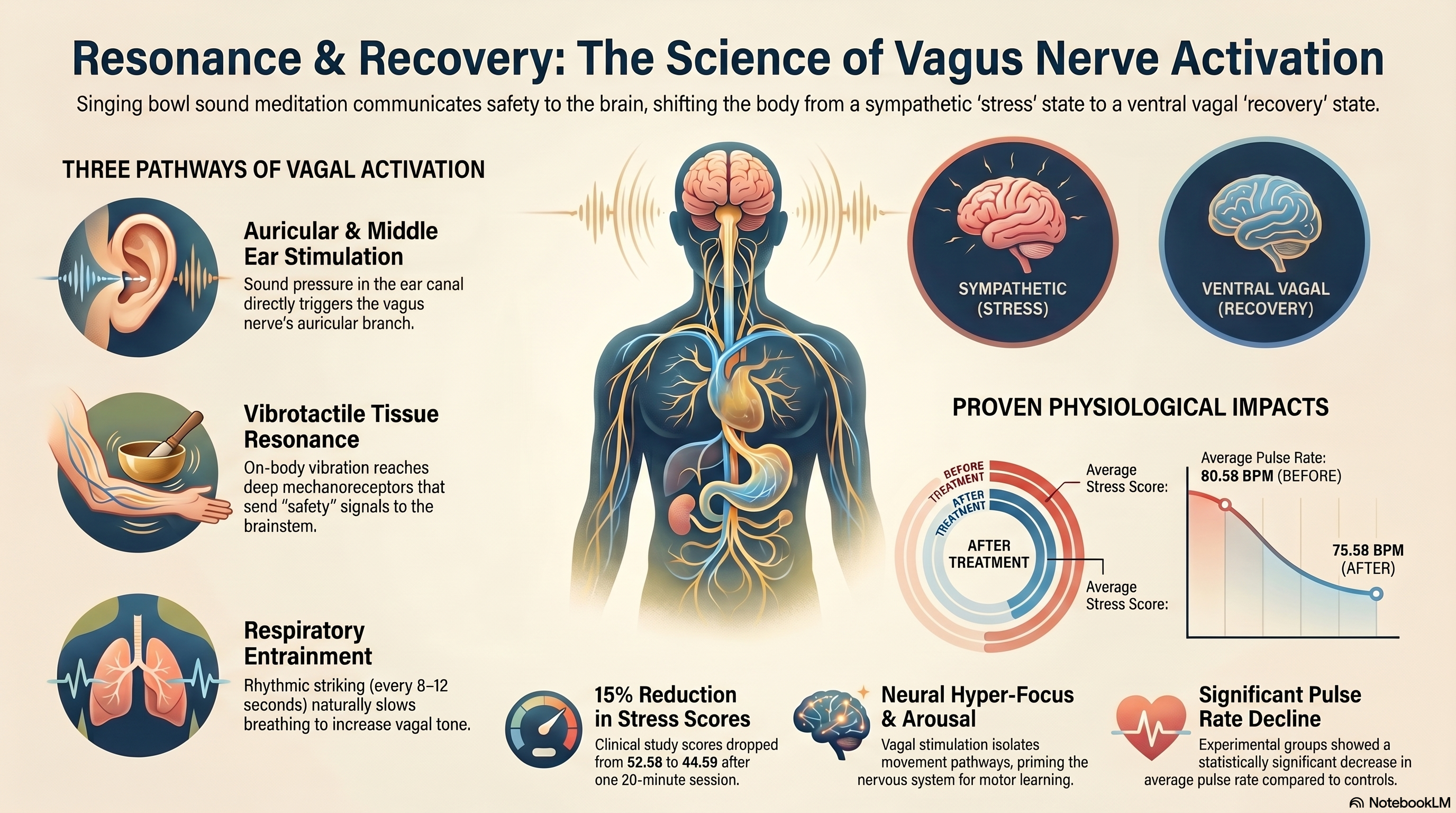
The autonomic nervous system runs almost everything in your body that you don't consciously control: heart rate, digestion, blood pressure, hormone release, immune function. It has two main branches:
- Sympathetic — the gas pedal. Fight or flight. Activation, alertness, mobilization.
- Parasympathetic — the brake. Rest and digest. Recovery, sleep, calm.
Most of the autonomic system is genuinely automatic. You can't decide to lower your blood pressure. You can't will your digestion to start working.
But there's one input you can directly control: how you breathe.
When you slow your exhale, lengthen your breath, and breathe through your nose, you stimulate the vagus nerve — the main parasympathetic pathway in the body. The vagus nerve, in turn, signals every major organ system to shift toward calm. This mechanism is at the core of Stephen Porges' polyvagal theory, which has reshaped how clinicians understand stress, trauma, and regulation.
In other words: your breath is the one consciously accessible lever for an entire system that otherwise runs without you.
The Vagus Nerve Connection
The vagus nerve — Latin for "wandering" — exits the brainstem and branches throughout the chest and abdomen, connecting to the heart, lungs, gut, and many internal organs. Vagal tone (the nerve's responsiveness) is one of the most well-validated biomarkers of nervous system resilience.
People with high vagal tone tend to:
- Recover faster from stress
- Sleep better
- Have stronger immune function
- Experience less chronic anxiety
- Digest more efficiently
- Maintain more emotional flexibility
People with low vagal tone — common in chronic anxiety, PTSD, burnout, and chronic illness — tend to feel stuck in fight-or-flight long after the actual stressor is gone.
The good news: vagal tone is trainable. Slow, diaphragmatic breathing is one of the most well-studied ways to train it. HeartMath Institute has built decades of heart-rate-variability research around this principle, and the NCCIH classifies controlled breathing alongside other validated relaxation techniques.
6 Evidence-Based Breathwork Techniques for Anxiety
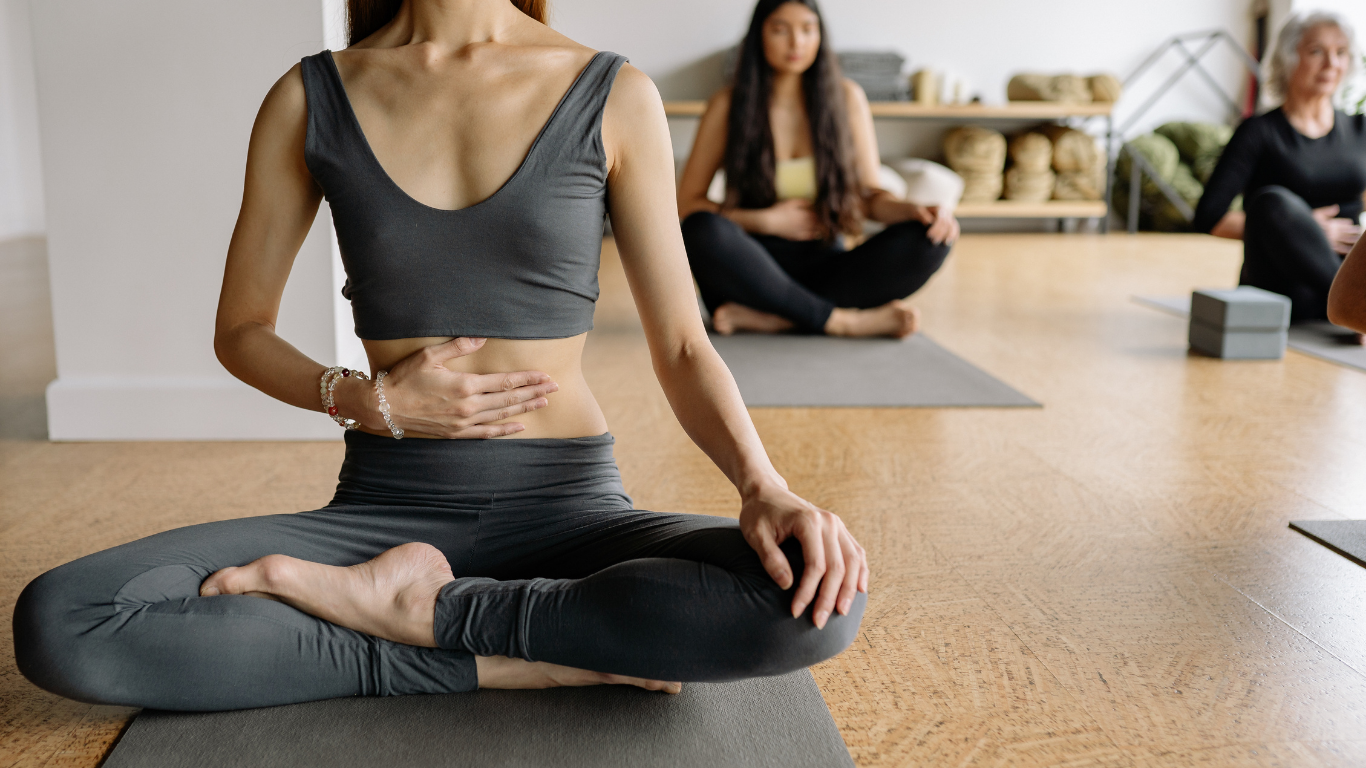
Not all breathwork for anxiety is the same. Here are the most evidence-supported techniques and when each is most useful:
1. Box Breathing (4-4-4-4)
Inhale 4 counts. Hold 4. Exhale 4. Hold 4. Repeat for 5 minutes. Best for: Acute stress, focus before a difficult conversation, transitioning out of work mode. Used by Navy SEALs, ER physicians, and performance athletes.
2. 4-7-8 Breathing
Inhale 4. Hold 7. Exhale 8. Repeat 4–8 cycles. Best for: Falling asleep, calming a racing mind, post-panic recovery. Note: The long exhale is what does most of the parasympathetic work.
3. Coherent Breathing (5-5)
Inhale 5–6 counts. Exhale 5–6 counts. Continue for 10–20 minutes. Best for: Daily regulation, baseline anxiety, blood pressure support. Research: Strongly supported for heart rate variability training — see HeartMath Institute's published research on coherent breathing and HRV.
4. Alternate Nostril Breathing (Nadi Shodhana)
Close one nostril, inhale; close the other, exhale. Switch. Best for: Mental clarity, balancing, transitioning between tasks.
5. Physiological Sigh
Two quick inhales through the nose, one long exhale through the mouth. Repeat 1–3 times. Best for: Real-time anxiety in the moment. This technique has been researched extensively by Stanford's Huberman Lab and is considered the fastest-acting breath intervention currently studied.
6. Conscious Connected Breathing
Continuous, circular breathing without pauses, typically guided in longer sessions. Best for: Emotional release, deeper somatic and trauma work. Should be done with a trained practitioner, not alone.
If you're curious how breathwork compares to other body-based approaches, our guide on somatic therapy vs. talk therapy explores the differences in depth.
What Guided Breathwork Sessions Look Like at Our Saddle River Studio
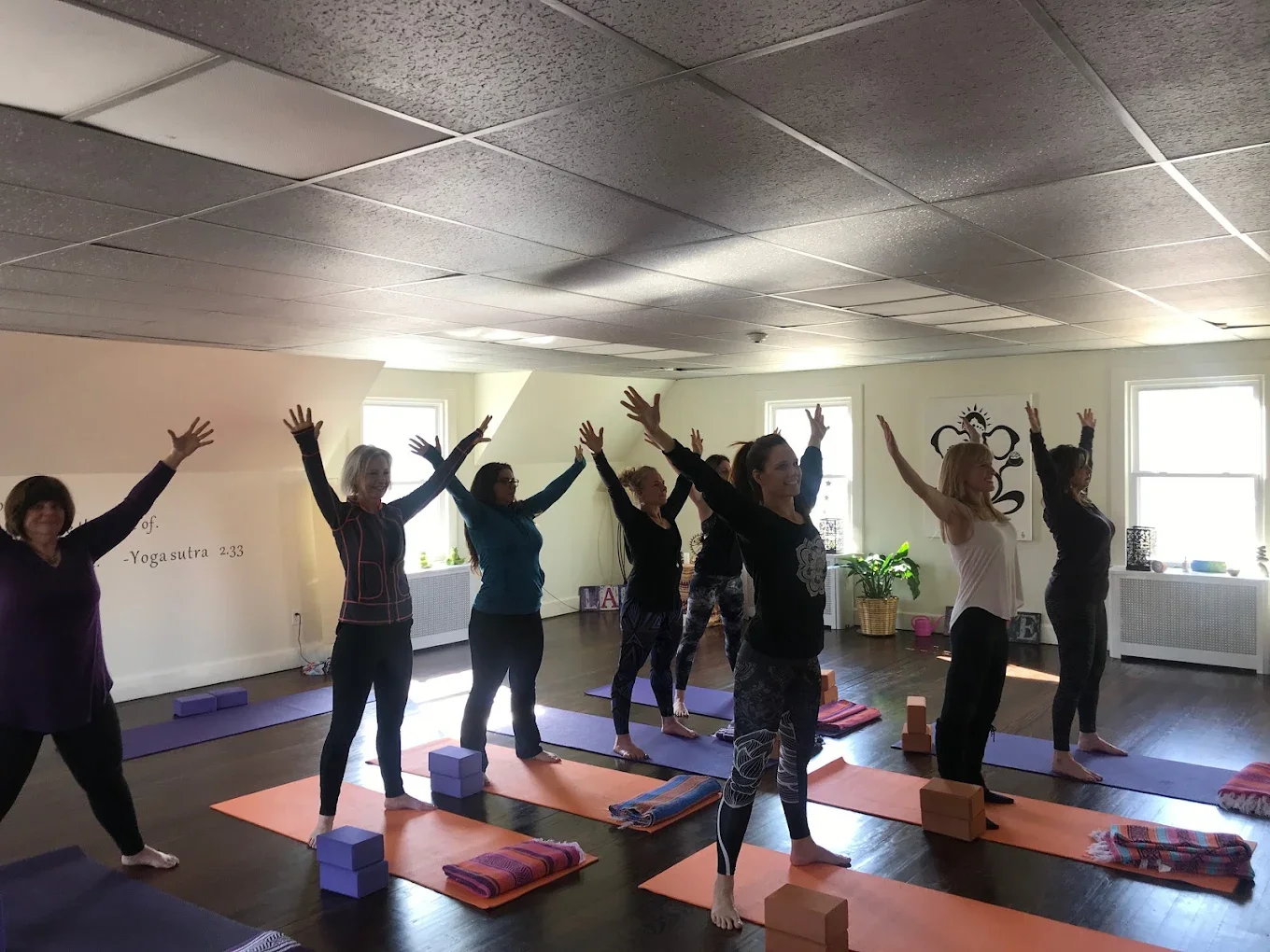
At the Center, breathwork is led by Sydney Struble, a 500-hour yoga instructor and breathwork guide who completed her MA in Spirituality, Mind-Body Practice, and Education at Columbia. Her sessions blend the physiological precision of clinical breathwork with the somatic depth of longer-form practice.
A typical 60-minute private breathwork session at our Saddle River studio includes:
- Brief intake — what's been going on, what you'd like to work with, any medical considerations.
- Settling and preparation — body scan, gentle movement, intention setting.
- Guided breathwork practice — the technique chosen for your specific need.
- Integration — silence, sometimes journaling, a brief check-in.
Breathwork at the Center is part of a broader full service menu that includes somatic yoga, sound healing, STOTT Pilates, and acupuncture. It pairs well with almost every other modality we offer:
- Therapy + breathwork — practice between sessions to integrate what surfaces
- Somatic yoga + breathwork — deeper embodiment, faster
- Sound healing + breathwork — the most regulating combination we offer (read more about what to expect from your first sound healing session)
- Pilates + breathwork — embodied strength training paired with autonomic regulation (see our STOTT Pilates Bergen County guide)
- Acupuncture + breathwork — reinforces the parasympathetic shift
If you're already working with a clinician at the Center or elsewhere, breathwork can be added as a complement without disrupting your existing care.
When to Work with a Guide vs. Practice on Your Own
DIY daily practice is excellent for:
- Building baseline regulation
- Sleep support
- Acute stress in the moment
- Maintenance once you have a foundation
A trained guide is recommended when:
- You're working with trauma or significant anxiety
- You want to do longer or more intensive forms (conscious connected breathing, Holotropic-style)
- You have medical considerations (heart conditions, pregnancy, history of dissociation, seizure disorder)
- You've tried daily practice and feel stuck
Some breathwork can move emotional material faster than the nervous system is ready for. A skilled practitioner knows how to titrate.
Coming from Across Bergen County
We see clients for breathwork sessions from Saddle River, Wyckoff, Allendale, Ramsey, Mahwah, Upper Saddle River, Ridgewood, Waldwick, and across Bergen and Passaic counties. Our Saddle River location offers easy access from Route 17, the Garden State Parkway, and the Rockland County, NY border.
A 10-Minute Daily Breathwork Practice Anyone Can Start Tonight
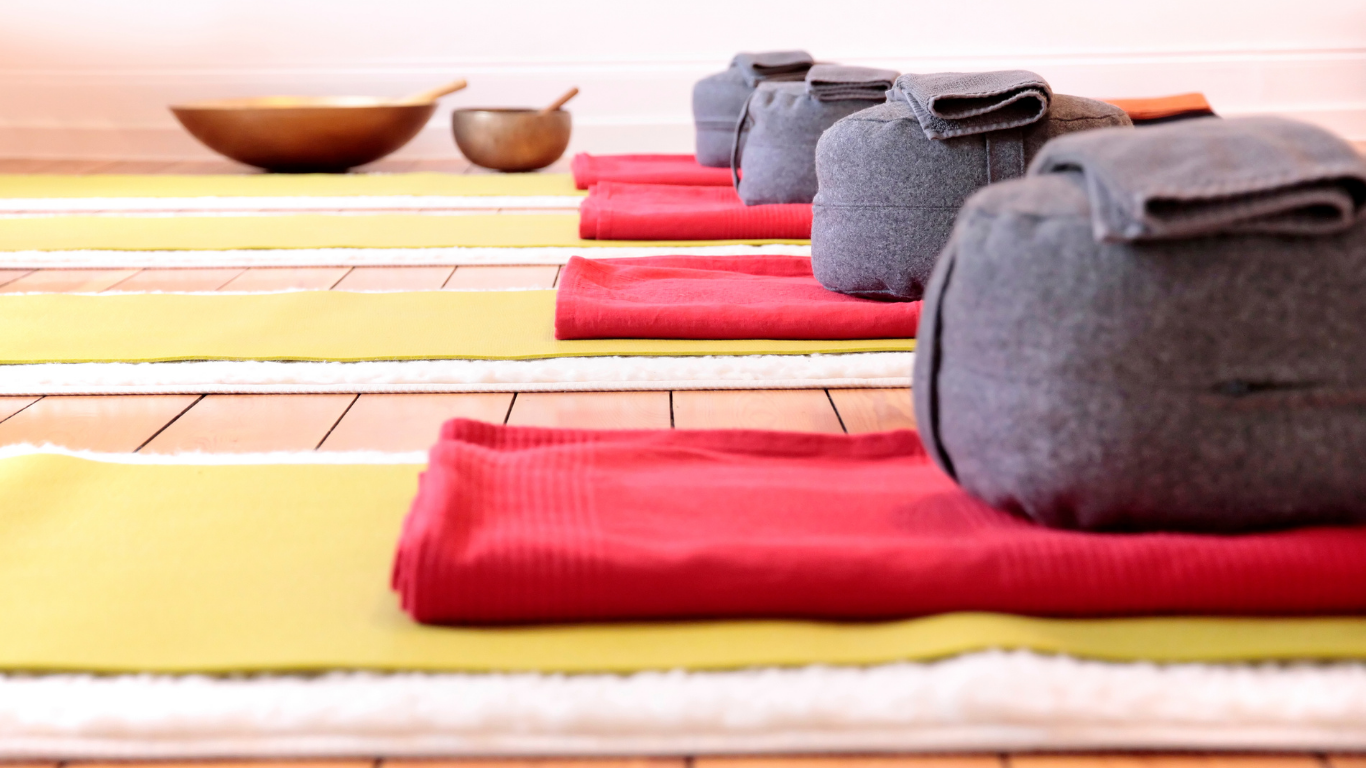
Here's a sustainable beginner protocol. Do it once a day for 14 days and notice what shifts.
-
Setup (1 minute): Sit comfortably or lie down. Close your eyes or soften your gaze. Place one hand on your chest and one on your belly.
-
Activation (2 minutes): Take 6 normal breaths just to arrive. Notice which hand moves more. The goal is to have the belly hand move first and most.
-
Practice (6 minutes): Coherent breathing — inhale 5 counts through the nose, exhale 5 counts through the nose. If 5 feels short, try 6. If 5 feels long, start at 4. Keep it gentle, not strained.
-
Integration (1 minute): Stop counting. Let your breath return to natural. Notice anything that has shifted.
That's it. Ten minutes. No app required.
This protocol is built around coherent breathing, the technique most consistently supported by heart rate variability research at HeartMath Institute and aligned with the relaxation response guidelines published by the NCCIH. It is safe, accessible, and effective as a standalone daily practice.
When you're ready to go deeper — or if you've been doing this for a few weeks and want to explore what longer, more guided work can unlock — our group breathwork classes in Saddle River are a natural next step.
Frequently Asked Questions About Breathwork for Anxiety
How long does breathwork take to work for anxiety?
Many people feel a measurable shift — slower heart rate, softer shoulders, quieter mind — within a single 5-10 minute session. Lasting nervous system change builds over consistent daily practice. Research on heart rate variability training suggests meaningful improvement within two to four weeks of daily coherent breathing.
Is breathwork safe to do on your own at home?
Basic techniques like coherent breathing, box breathing, and 4-7-8 are safe for most healthy adults to practice alone. Longer, more intensive forms such as conscious connected breathing should be done with a trained guide, especially if you have a history of trauma, dissociation, heart conditions, or are pregnant.
What is the best breathwork technique for anxiety relief?
For real-time anxiety in the moment, the physiological sigh — two quick inhales through the nose followed by one long exhale through the mouth — is the fastest-acting technique, extensively researched by Stanford's Huberman Lab. For daily regulation and longer-term relief, coherent breathing at a 5-5 or 6-6 count is the most well-supported approach.
Can breathwork replace therapy or medication for anxiety?
Breathwork is a powerful complement to therapy and, in some cases, medication — not a replacement. It works best as part of an integrated approach. Many clients at the Center for Mind Body Balance use breathwork between therapy sessions to reinforce and integrate what surfaces in clinical work.
Where can I do guided breathwork in Bergen County, NJ?
The Center for Mind Body Balance in Saddle River, NJ offers private breathwork sessions and group breathwork classes led by Sydney Struble, a 500-hour yoga instructor and breathwork guide with an MA from Columbia. The studio serves clients from across Bergen and Passaic counties and is easily accessible from Route 17 and the Garden State Parkway.
Beginning Is the Whole Thing — Your Next Step
Most people who would benefit from breathwork for anxiety put it off because it sounds either too simple to work or too unfamiliar to start. Both of those reactions, by the way, are themselves nervous system responses.
Here's how to move forward, depending on where you are:
- Complete beginner: Try the 10-minute coherent breathing protocol above for 14 nights in a row. That's it.
- Ready for guidance: Book a private session with Sydney Struble at our Saddle River studio.
- Prefer community: Join one of our group breathwork classes in Bergen County.
- Not sure where to start: The free 15-minute discovery call is exactly for this. Tell us what's going on. We'll help you decide.
Call (201) 708-8448 or book your free call online.
Your breath has been with you the whole time. The only question is whether you've been using it.