You took a Pilates class once. Maybe at a big-box gym, maybe at a boutique studio that opened and closed within the year. The teacher counted reps. The mat was thin. You did some crunches that were called "the hundred." Your back hurt afterward, you didn't really feel anything the next day, and you decided Pilates wasn't for you.
That class was almost certainly not real Pilates.
This isn't snobbery. It's a credential problem. The word "Pilates" isn't trademarked, which means anyone can teach a class and call it Pilates after a weekend workshop. What you experienced was likely a generic mat-fitness class wearing the Pilates name.
Real Pilates — and specifically Stott Pilates®, the contemporary, biomechanically-informed lineage — is a different practice altogether. It's slower, more technical, more individualized, and it works on layers of the body most fitness classes never reach.
This is the case for trying again, written for people who've already written it off.
The "I Tried Pilates Once" Problem — And Why It's a Credential Issue
Here's what's gone wrong with Pilates in the U.S. over the last 20 years.
Pilates was developed by Joseph Pilates in the early 20th century as a rehabilitative practice — built for dancers, injured veterans, and bedridden patients. The original work was hands-on, equipment-based, and deeply individualized. Each exercise had a purpose. Each cue had a reason.
When Pilates exploded as a fitness trend in the 2000s, the depth largely got stripped out. Group mat classes proliferated. Certifications shortened from years to weekends. The cardio-burn culture demanded faster pacing, higher reps, and visible sweat — none of which were ever the point.
So what most people have actually tried is "Pilates-inspired group fitness." Which is fine for what it is, but it's not what makes Pilates one of the most clinically respected movement systems in the world.
Why Instructor Certification Matters So Much
A weekend-certified Pilates teacher and a fully credentialed Stott Pilates instructor are not the same thing. The difference shows up in every cue, every modification, and every time a client walks in with a complicated body history. The Merrithew certification pathway for Stott Pilates runs hundreds of hours over many months — it is not a shortcut.
For clients with back pain, osteoporosis, or surgical histories, this distinction isn't academic. It determines whether a session helps or harms.
What Stott Pilates Actually Is — The Science Behind the Method
Stott Pilates was developed in Toronto in the 1980s and 1990s by Lindsay and Moira Merrithew, working with a team of physical therapists, sports medicine specialists, and fitness professionals. It's considered the contemporary, evidence-based evolution of the original work.
A few things distinguish it:
- Modern biomechanics. The original method was developed before much of what we now know about spinal mechanics, neutral pelvis positioning, and motor control. Stott updates the original principles using current sports science and PT research.
- Neutral spine emphasis. Where classical Pilates often used a flattened lumbar spine ("imprinted"), Stott prioritizes a neutral spine — which is more functional, safer for most populations, and more transferable to daily movement.
- Rigorous certification. Stott certifications run hundreds of hours over many months, including supervised teaching, anatomy training, and exam-based credentialing. This isn't a weekend course.
- Population-specific specialties. Certified Stott instructors can earn additional credentials for osteoporosis, post-rehab, pregnancy, athletes, and older adults — each requiring its own dedicated training.
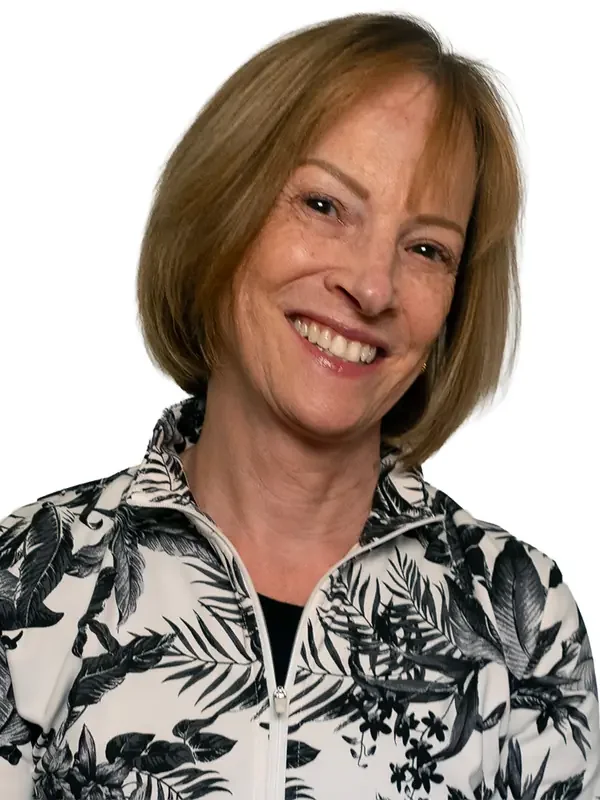
At the Center for Mind Body Balance, our Pilates instructor Joy Mino is fully Stott-certified with 20+ years of experience and additional specialized training in working with bone health and osteoporosis populations — a niche that requires precise, careful programming.
The Neutral Spine Principle in Practice
This sounds technical, but it matters practically. If you've ever done a Pilates class and ended up with a sore lower back, there's a real chance you were asked to hold a flattened lumbar spine under load — a position that compresses the discs and over-taxes the back extensors. Stott's neutral spine approach removes that mechanical stress and makes the same exercises far more transferable to how your spine functions in daily life.
The Equipment Changes Everything — Why Mat-Only Classes Miss the Point
The other thing that gets lost in mat-only classes: most of what makes Pilates work is the equipment.
Joseph Pilates designed an entire ecosystem of apparatus, each addressing different aspects of strength, flexibility, and control:
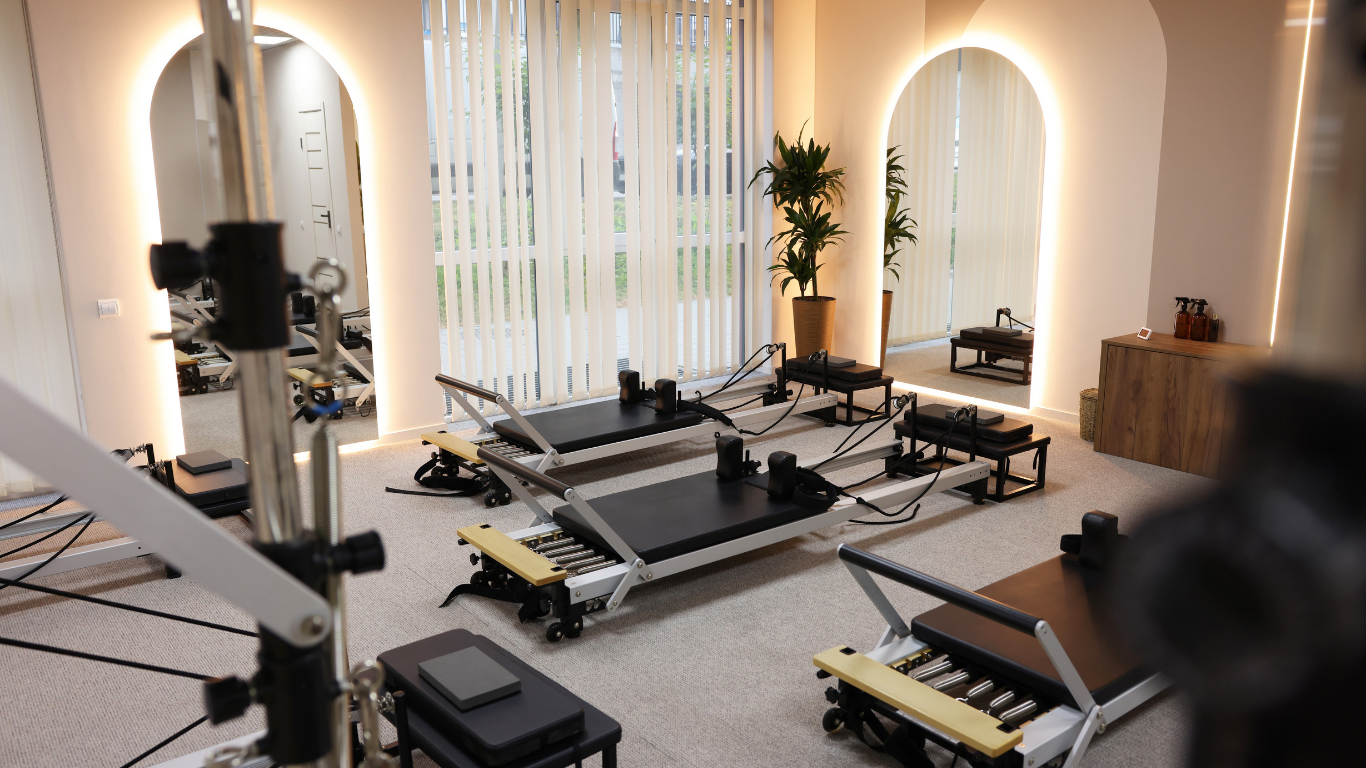
- The Reformer. A sliding carriage on rails with adjustable spring resistance. It allows precise control of load and assistance — you can use it to make exercises easier (assisted core work for beginners or post-rehab) or significantly harder. It's the single most versatile piece of equipment in movement training.
- The Cadillac (Trapeze Table). A bed-frame-like apparatus with bars, springs, and straps. Excellent for rehabilitation, spinal articulation, and assisted stretching.
- The Wunda Chair. Compact and intense. Great for unilateral work, balance, and lower-body integration.
- Barrels and small props. For spinal extension, stretching, and supported abdominal work.
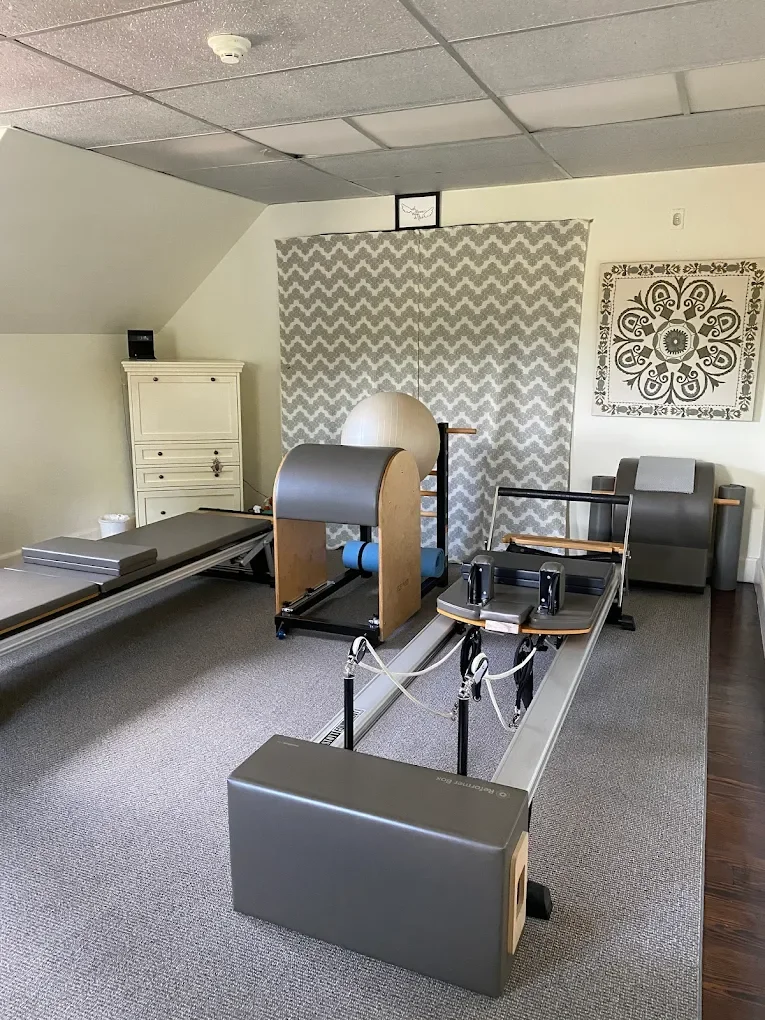
Mat work, while valuable, is one slice of the practice. Working on equipment is what Pilates was originally designed for. Our Saddle River studio is fully equipped, which is why our sessions look so different from anything you'd get at a chain gym.
Why Spring Resistance Is a Game-Changer
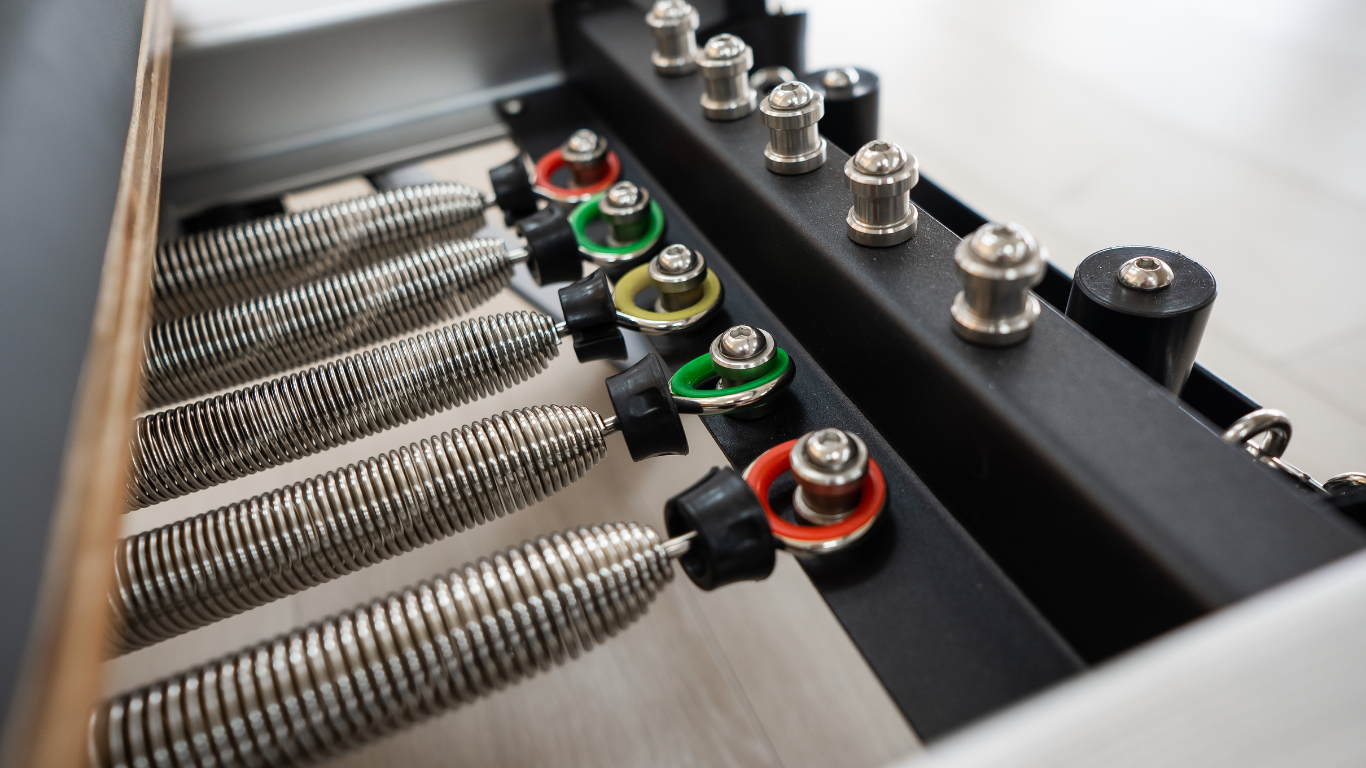
The reformer's spring system means resistance is never fixed. For a client recovering from knee surgery, springs can provide assistance through range of motion that would otherwise be painful. For a fit athlete, those same springs can create eccentric loading that challenges even well-conditioned muscles. No other piece of equipment in movement training offers that range in a single session.
View our studio space — housed in a 200-year-old building in Saddle River — to get a sense of the environment where this work happens.
Who Specifically Benefits from Stott Pilates — And Why
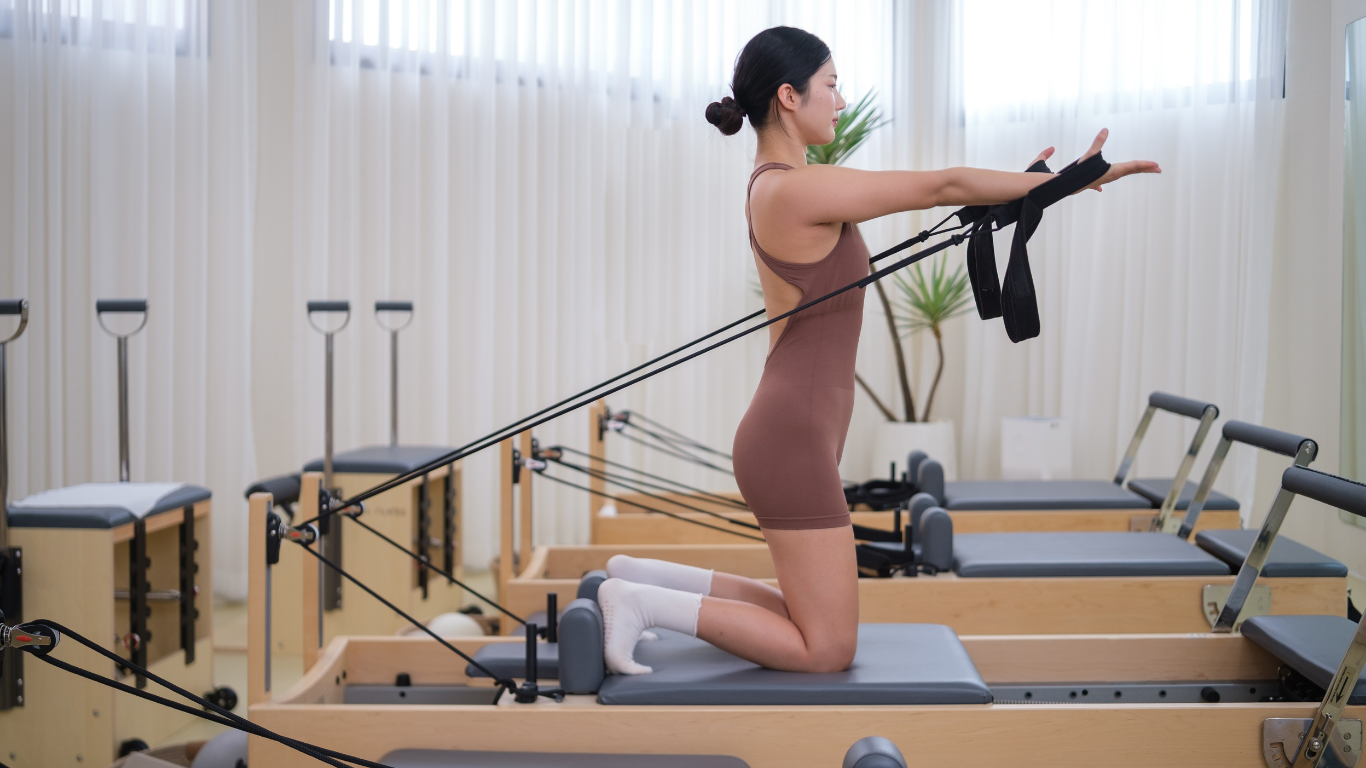
Pilates done well — meaning slowly, in proper form, on appropriate equipment — addresses problems that other fitness modalities often can't.
People with Osteoporosis or Osteopenia
This is where Joy's specialty matters. Standard exercise advice for osteoporosis is "weight-bearing exercise" — but many traditional gym workouts include movements (loaded spinal flexion, twisting, jumping) that are actually contraindicated for low bone density. The Bone Health & Osteoporosis Foundation and NIH NIAMS both publish guidance distinguishing safe and unsafe movement patterns for this population.
Stott Pilates protocols for osteoporosis are built around extension-based work, alignment, and graded resistance. They build bone-supportive strength without the spinal-loading risks of traditional weight training. For postmenopausal women in particular — a population we see frequently from across Bergen County — this matters.
People with Chronic Back Pain
The single largest population of people who benefit from skilled Pilates is people with chronic low back pain. The reasons are mechanical: most chronic back pain involves some combination of weak deep core stabilizers, poor pelvic positioning, and limited spinal mobility. Pilates trains all three directly. Pilates is also recognized within evidence-based exercise guidance from organizations like the American College of Sports Medicine for low-back-pain populations.
This is also where bad Pilates can hurt rather than help. A skilled Stott instructor knows when to modify, when to switch equipment, and when to refer out.
People Recovering from Injury or Surgery
Pilates is widely used by physical therapists as a continuation of rehab — it bridges the gap between the controlled environment of PT and a return to full activity. We frequently work with clients post-knee surgery, post-shoulder repair, and post-spinal surgery, often with their PT's involvement.
Runners, Cyclists, and Overuse-Injury-Prone Athletes
Endurance athletes tend to develop predictable imbalances: tight hip flexors, weak glutes, dominant quads, immobile thoracic spines. Pilates restores the balance — and tends to extend athletic careers in ways traditional cross-training doesn't.
Pregnant and Postpartum People
Modified Stott Pilates is one of the safer, more effective forms of exercise during pregnancy — and one of the most useful for postpartum recovery, particularly for diastasis recti, pelvic floor function, and rebuilding trunk strength.
Older Adults Focused on Functional Aging
Falls are the leading cause of injury-related death in adults over 65. The single best predictor of fall risk is balance combined with reactive strength. Pilates trains both, in low-impact ways that older joints tolerate well.
Desk-Bound Professionals
If you sit 8–10 hours a day, your hip flexors are short, your glutes are dormant, your thoracic spine is stiff, and your shoulders live forward. We see this body pattern every week in clients from Wyckoff, Ridgewood, Mahwah, and across the corporate corridor of Bergen County. Pilates was, in some ways, designed for it.
Frequently Asked Questions About Stott Pilates in Bergen County
What is Stott Pilates and how is it different from regular Pilates?
Stott Pilates is a contemporary, biomechanically updated version of classical Pilates developed in Toronto using sports medicine and physical therapy research. It emphasizes neutral spine positioning over the flattened lumbar spine of classical work, and instructors complete hundreds of hours of credentialed training — far more than most gym Pilates certifications require. The Merrithew organization oversees the full certification pathway.
Is Pilates safe if I have osteoporosis?
Yes, when taught by an instructor with specific osteoporosis training. Stott Pilates protocols focus on extension-based work and graded resistance, avoiding loaded spinal flexion, rotation, and impact — all of which are contraindicated for low bone density according to the Bone Health and Osteoporosis Foundation and NIH NIAMS. Joy Mino holds specialized certification in this population.
Can Pilates help with chronic back pain?
Yes. Most chronic low back pain involves weak deep core stabilizers, poor pelvic positioning, and limited spinal mobility — all of which Pilates addresses directly. The American College of Sports Medicine recognizes Pilates within evidence-based exercise guidance for low-back-pain populations. Proper instruction matters; bad Pilates can worsen back pain, which is why instructor credentials are everything.
Do I need to be flexible or fit to start Pilates?
No. Stott Pilates is designed to meet you exactly where you are. You do not need prior fitness, flexibility, or core strength. The reformer's spring system allows instructors to make exercises easier or harder with precise adjustments, so every session is calibrated to your current body.
What happens in a first Pilates session at the Center for Mind Body Balance?
New clients begin with a complimentary 30-minute equipment demo — a real working session with Joy Mino. You explore the reformer and foundational movements, and leave with a clear sense of whether Pilates fits your goals. No sales pressure, no commitment required. Call (201) 708-8448 or contact us to schedule.
How to Start — Your First Real Pilates Session in Saddle River
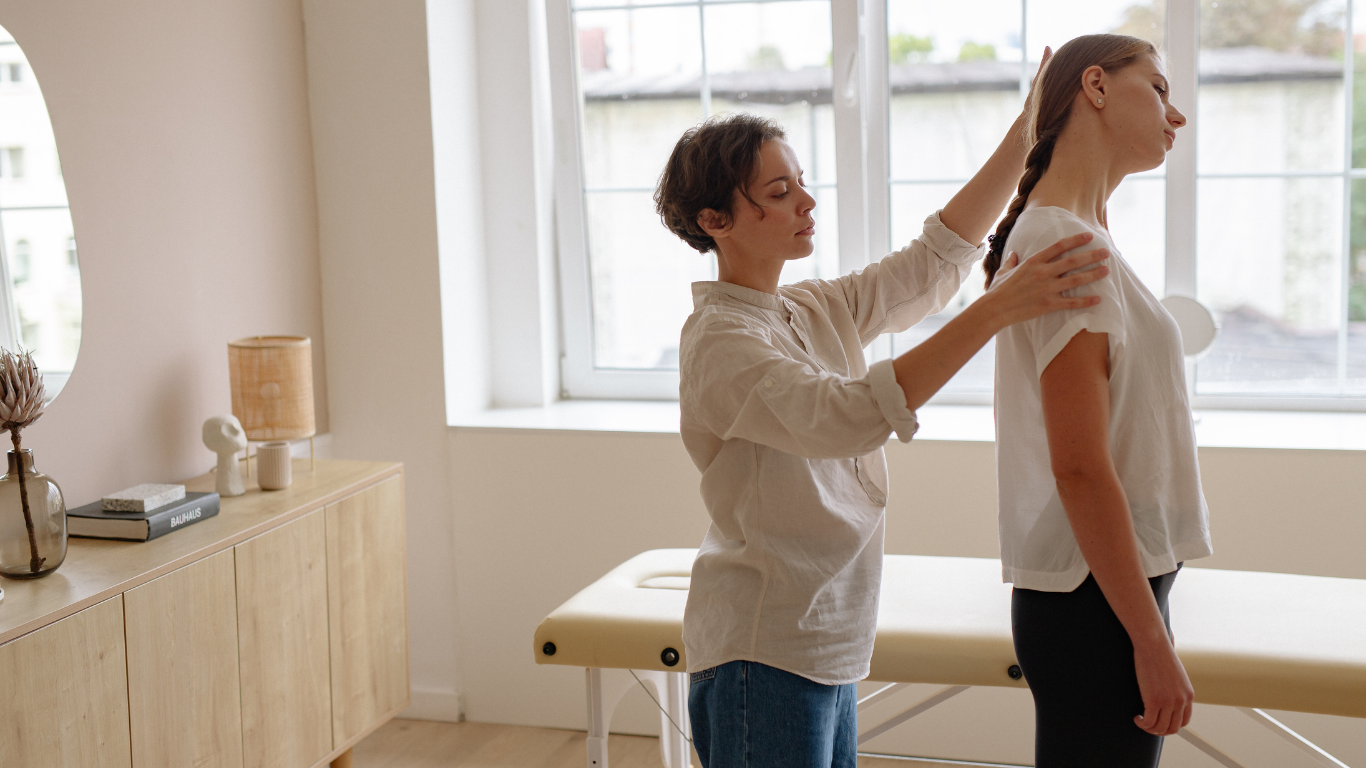
If you've written off Pilates because of one bad class, you owe yourself one good one.
Here's exactly how to begin:
- Book a complimentary 30-minute equipment demo with Joy Mino — not a sales pitch, just a working session. You meet Joy, walk through the equipment, do some foundational movements, and leave with a sense of whether this is something you want to pursue.
- If you decide to continue, sessions are typically 50 minutes, fully personalized, and combine reformer, Cadillac, chair, and small props depending on your goals.
- You don't need to be flexible. You don't need core strength. You don't need any prior experience. The whole point is meeting you where you actually are.
Pilates Pairs Powerfully with Other Modalities at the Center
- Therapy + Pilates — embodied movement supports the nervous system work happening in psychotherapy.
- Somatic yoga + Pilates — the inner-body awareness of yoga combined with the structural training of Pilates is one of the most balanced movement combinations we offer. See also our guide on somatic therapy vs. talk therapy for more on body-based work.
- Acupuncture + Pilates — particularly powerful for chronic pain and recovery.
- Breathwork or sound healing + Pilates — for clients who want to integrate physical training with deeper relaxation.
Coming from Across Bergen County
Our Pilates studio is in our 200-year-old building at 96 East Allendale Road, Saddle River — easy access from Route 17, the Garden State Parkway, and the New York border. Clients regularly come from Wyckoff, Mahwah, Allendale, Ridgewood, Upper Saddle River, Ramsey, Waldwick, and Rockland County, NY.
Real Pilates was always supposed to feel different. Most people just haven't gotten to do real Pilates yet.
Call (201) 708-8448 to book your free demo or start with a free 15-minute discovery call — the easiest place to begin if you'd rather have a broader conversation first about what kind of movement and care fits where you are right now.